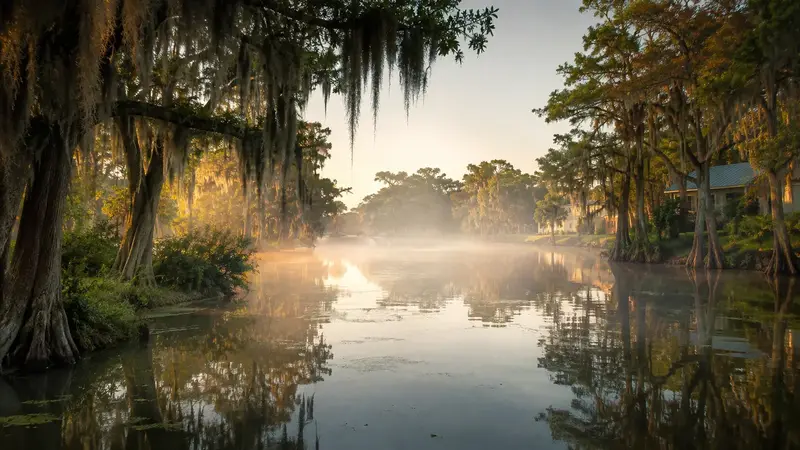
Historic Louisiana Creole cottage at golden hour with Spanish moss and warm light

Protecting the Past. Building the Future.

Louisiana Creole culture is one of America's most distinctive cultural traditions.

Shaped over generations by African, European, Indigenous, Caribbean, and Louisiana influences. From the 337 area to Natchitoches and New Orleans, the culture continues to evolve.

What Is Louisiana Creole Culture?

It cannot be reduced to one food. One language. One city. One historical period.

It developed through centuries of cultural interaction in Louisiana. The story includes African and Afro-descended communities. Indigenous peoples. French and Spanish colonial influences. Caribbean connections. Free people of color. Enslaved people. European settlers. Catholic traditions. Louisiana languages. Rural communities. Urban communities. And generations of families who created distinctive ways of life.

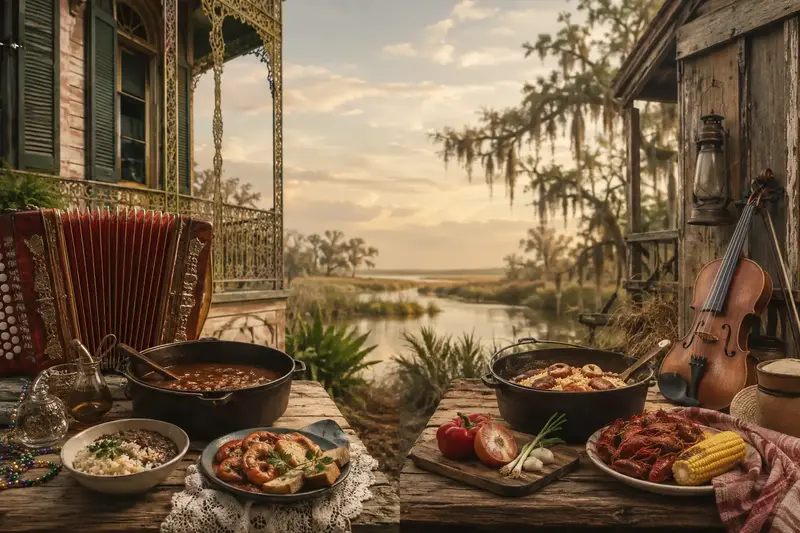
You can see and hear it through music, food, language, family traditions, religion and spirituality, architecture, festivals, storytelling, historic settlements, dance, folk practices, and cultural celebrations.

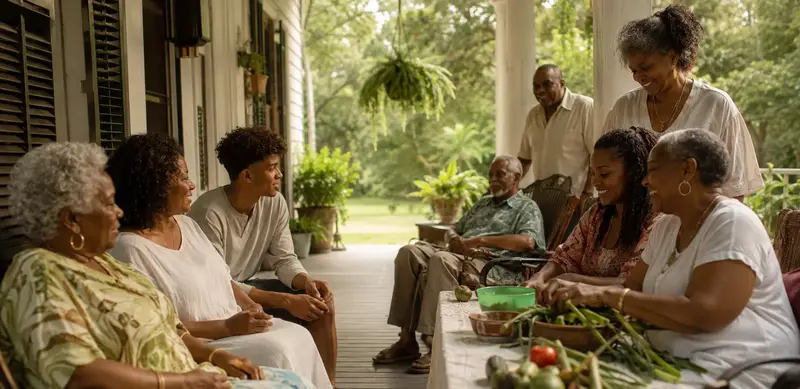
Rather than being frozen in history, Creole culture remains a living culture. Carried by people today.

Explore the Culture

History, food, music, language, traditions, places, and people

History

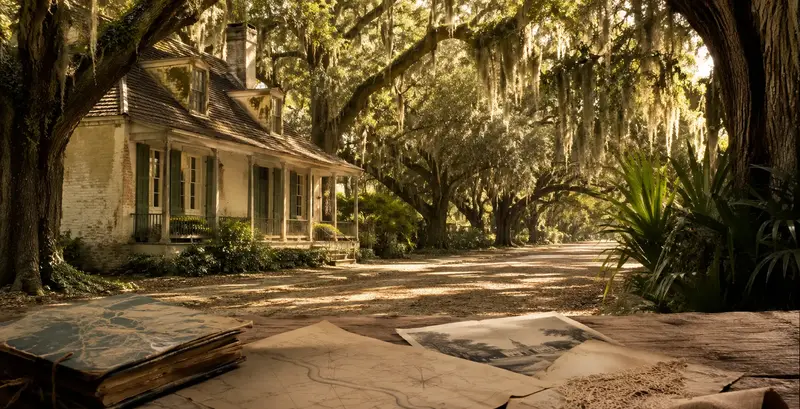
Louisiana's Creole history stretches across centuries. Our videos explore the people, places, and events that shaped Louisiana — starting with the 337 area and southwest Louisiana, then Natchitoches, then New Orleans and Tremé. The story includes Indigenous nations, colonial Louisiana, free people of color, and the historic communities that built Creole identity.
Food

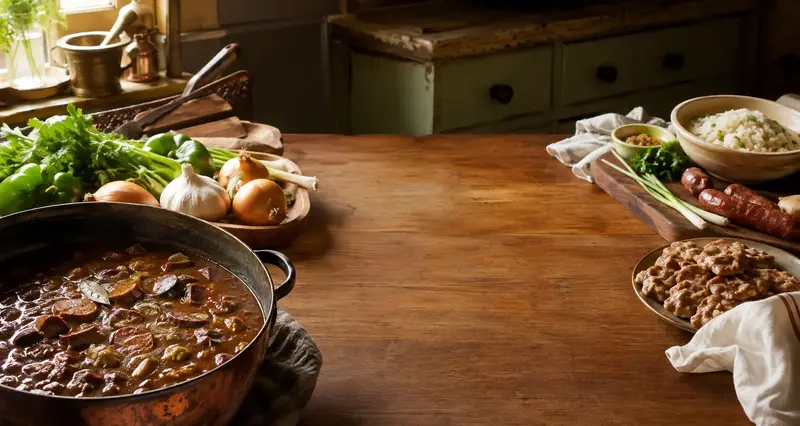
Recipes tell us what people cooked. Food traditions tell us who they were. Our food stories explore how dishes developed, who prepared them, and how generations transformed them — gumbo, jambalaya, pralines, red beans and rice, crawfish, filé, and the deeper history behind Creole and Cajun cooking.

Music

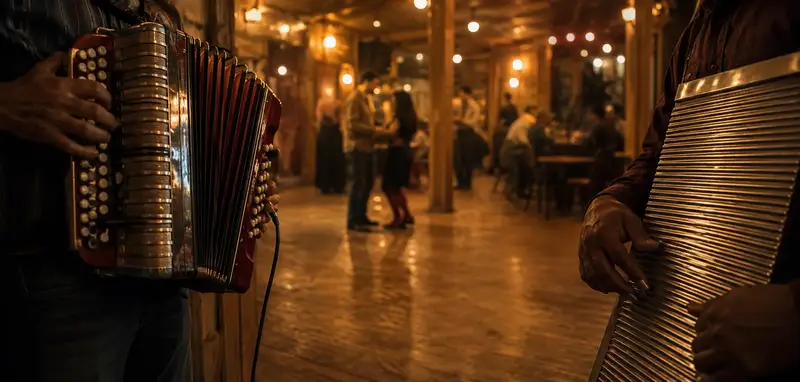
Louisiana Creole communities have produced musical traditions recognized around the world, with the 337 area at the center of it. Zydeco, traditional Creole music, accordion traditions, and the dance halls that carried it all forward. Music lets history be heard, not just read.

Language

Louisiana has been home to multiple languages: French varieties, Louisiana Creole and Kouri-Vini, English, Spanish influences, and Indigenous languages. Language tells us how people communicated, named their communities, and passed knowledge between generations — and it's part of a continuing movement to document and preserve it.

Traditions

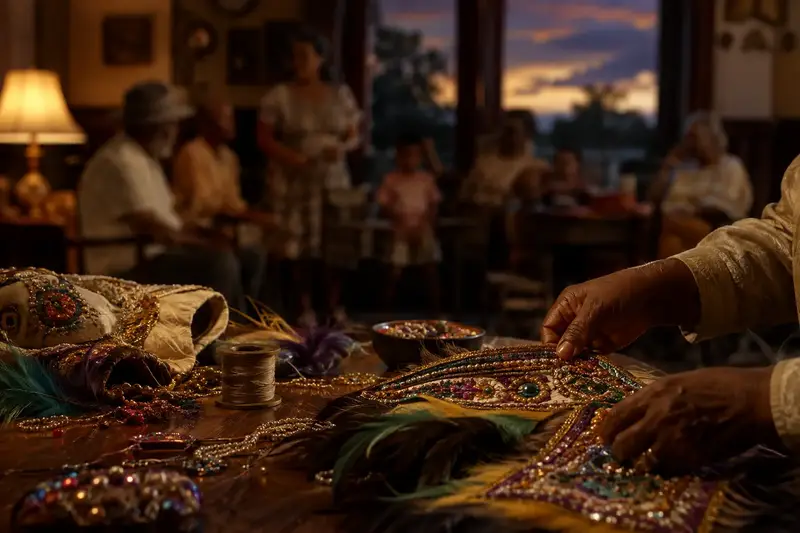
Some of Louisiana's most recognizable traditions emerged from communities whose histories are far more complicated than the celebrations themselves suggest — Mardi Gras traditions, Mardi Gras Indians, traiteur healing practices, second lines, and the family and community traditions behind them.

Places

You can't understand Louisiana Creole culture without understanding geography. Different communities developed distinctive traditions depending on where people lived, farmed, fished, and worshiped — from Lafayette, Breaux Bridge, Opelousas, and St. Martinville in the 337 area, to Natchitoches, to New Orleans and Tremé. These places aren't dots on a map. They're cultural landscapes.

People

History becomes more powerful when we meet the people who lived it — musicians, cooks, community leaders, families, and cultural preservationists. Some became famous. Many did not. Both stories matter.

Creole vs. Cajun

Creole culture and Cajuns developed alongside one another in Louisiana and influenced each other tremendously. But the terms aren't interchangeable — different migrations, communities, languages, and histories, with real overlap. Our videos explore that without flattening it into a simple either-or explanation.

Explore the Crèole Media Network

Watch the stories. Explore the channels.

Latest from the channels

Crèole Food Network

The history behind the dishes. Gumbo, pralines, red beans, and the recipes that carried Louisiana's story forward, one meal at a time.

Watch Crèole Food Network

Crèole Places Network

The towns, bayous, and landscapes that shaped Creole life. From the 337 area to Natchitoches to New Orleans, every place has a story.

Explore Crèole Places Network

Creole Traditions Media

The celebrations, rituals, and community practices that define Creole identity, and the deeper histories behind them.

Watch Creole Traditions Media

Why This Project Exists

Culture can disappear quietly.

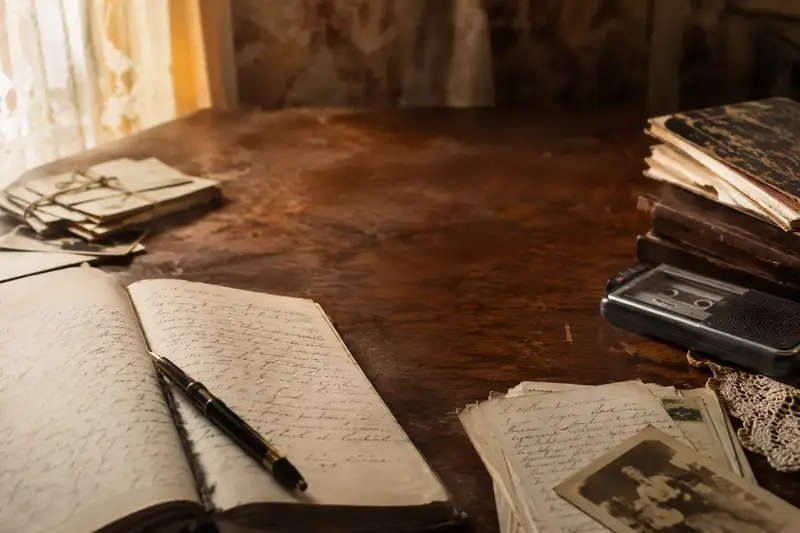
Stories stop being told. Languages lose speakers. Recipes change. Family photographs lose their names. Memories leave with generations.

Digital media gives us another opportunity. Through documentaries, historical explainers, food history, and community stories, we're building a growing digital collection dedicated to Louisiana Creole culture. Not just to talk about the past — to connect the past, present, and future.

Watch the stories. Explore the channels. Subscribe.

Join the mailing list for new documentaries, food history, and additions to the archive. No noise — only the work.